



Sugar Rush 1000 Strategy Analysis: Bankroll Frameworks and Session Planning for Canadian Players 2026
Provider:
Pragmatic Play
Type:
Slot
Volatility:
Medium / High
RTP:
97.5%
Minimum Bet:
0.2
Maximum Bet:
100
Autoplay:
No
Release Date:
08.03.2024
mportant: Sugar Rush 1000 is a random-outcome game governed by a certified RNG (Random Number Generator). No strategy eliminates variance or guarantees positive results. The guidance below addresses bankroll management, probability-informed session planning, and feature decision-making — not any method of predicting or controlling outcomes. For Canadian players approaching Sugar Rush 1000 with a structured methodology, the most productive strategic framework is one built on three foundations: understanding the game's documented statistical profile, sizing session budgets in relation to its documented feature trigger frequency, and making deliberate decisions about the Bonus Buy based on cost-to-budget ratios rather than subjective expectations.
Foundational Mechanics: What Drives Strategic Decision-Making
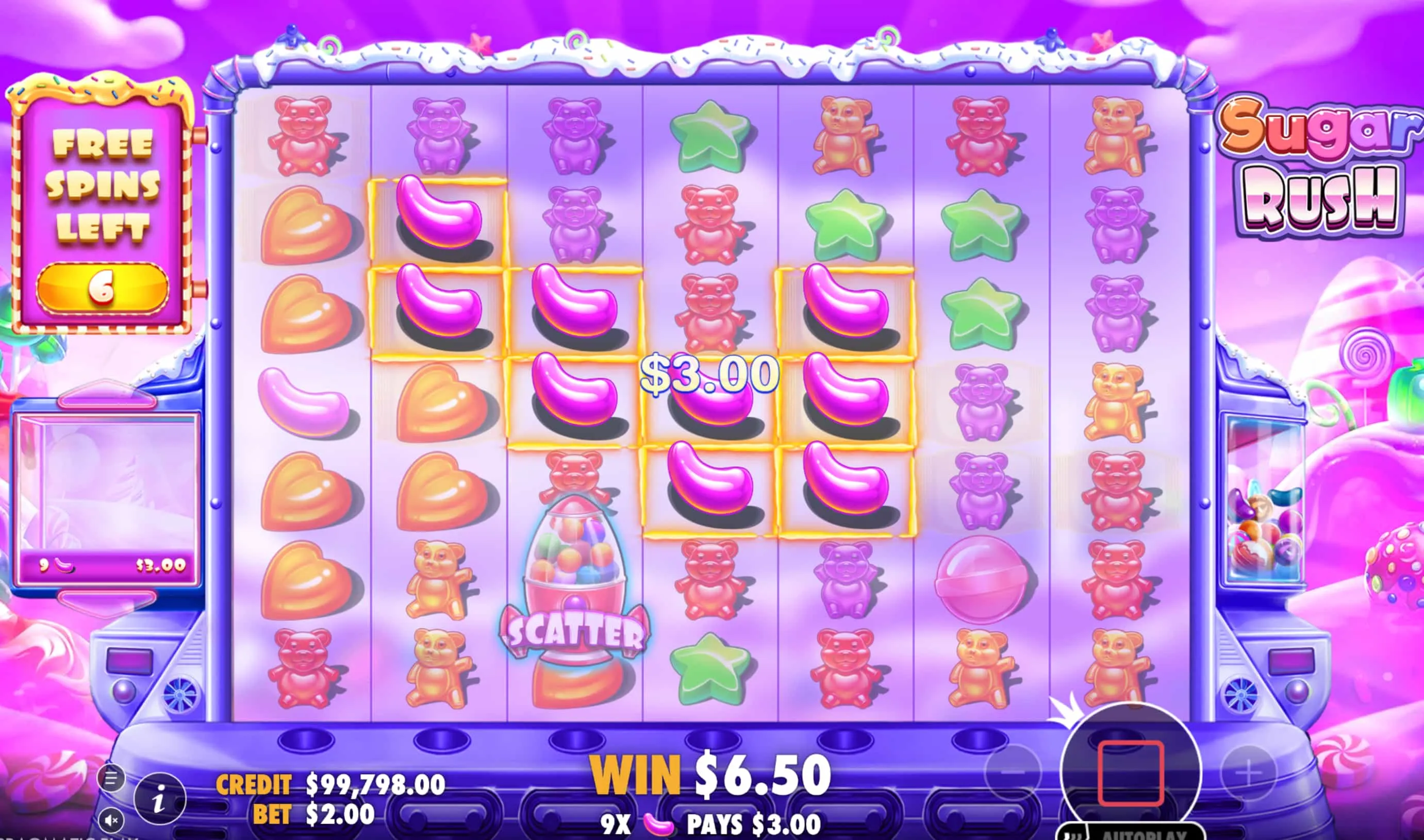
Effective session planning for Sugar Rush 1000 begins with accepting what the game's design allows — and doesn't allow. The Cluster Pays system, Tumble feature, and Multiplier Spot accumulation are deterministic in their rules but random in their outcomes. A player cannot influence where symbols land, how clusters form, or when scatter symbols appear. What a player can influence is how much they bring to a session, at what bet size, and how they respond to the inevitable variance within it.
The critical design principle: the base game of Sugar Rush 1000 functions primarily as a mechanism for reaching the Free Spins feature. The game's maximum win potential of 25,000 times the stake is not accessible through base-game play alone — it requires a Free Spins round in which Multiplier Spots accumulate across the full duration of the feature. Every strategic decision should be evaluated against this structural reality.
Bankroll Architecture: Quantifying Session Requirements
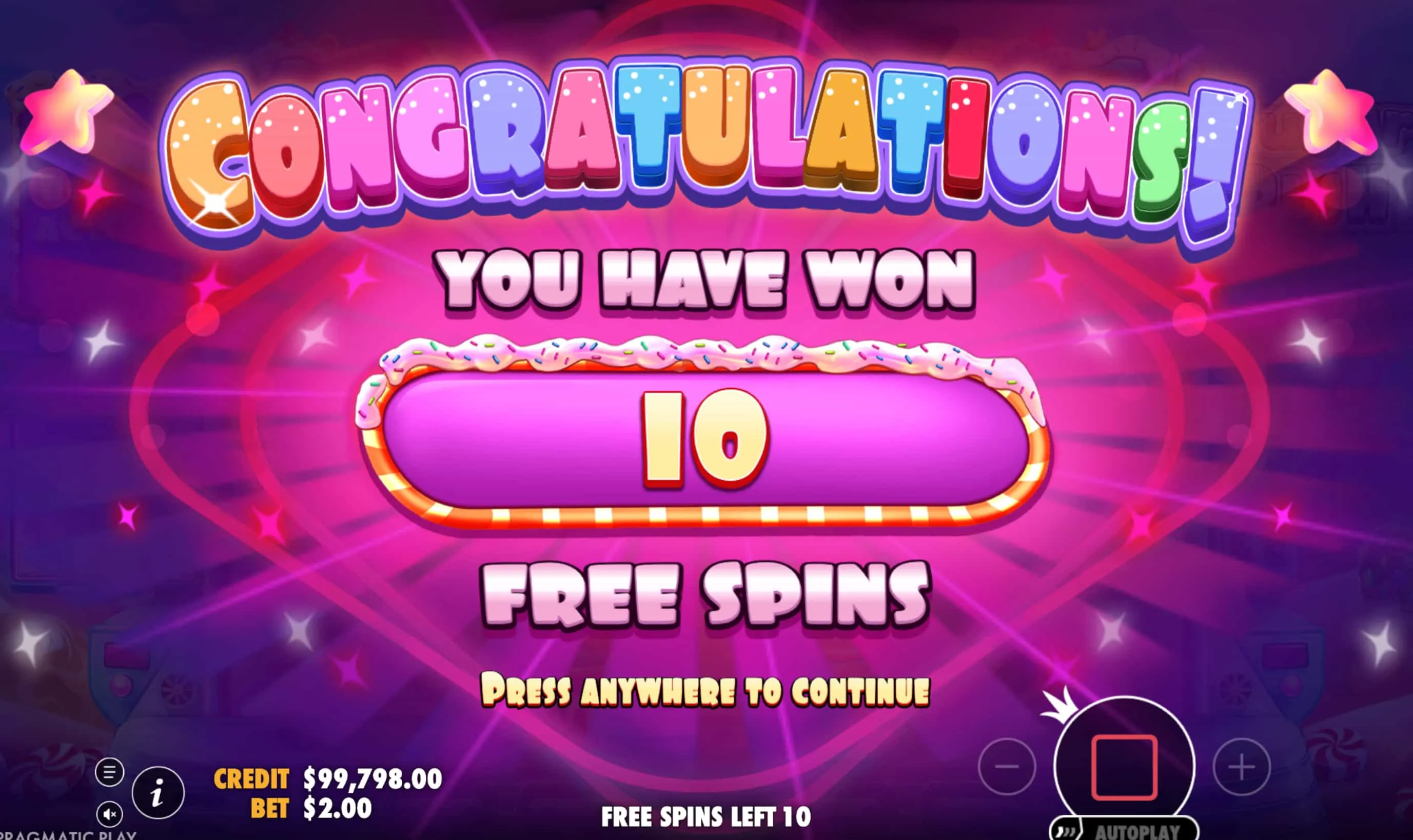
Sugar Rush 1000's high volatility classification translates to a mathematically predictable implication: session budgets must be sized to absorb extended dry runs between bonus triggers. Underfunding a session — relative to the game's documented bonus frequency — creates a structural disadvantage that no other decision can compensate for.
The 1-in-343 Frequency Metric: Session Budget Implications
The Free Spins feature triggers approximately once every 343 base-game spins on average. This figure represents the mathematical mean across an extended sample — individual sessions will diverge substantially in both directions. A responsible session bankroll should provide at least 200–300 spins at the chosen bet level before expecting the feature to appear. The following table quantifies these requirements in Canadian dollars.
| Bet per Spin (CA$) | 300-Spin Budget (CA$) | Standard Buy Cost — 100× (CA$) | Super Buy Cost — 500× (CA$) | Recommended Player Profile |
|---|---|---|---|---|
| 0.20 | 60 | 20 | 100 | Casual / First-time |
| 0.50 | 150 | 50 | 250 | Beginner (recommended entry) |
| 1.00 | 300 | 100 | 500 | Intermediate |
| 2.00 | 600 | 200 | 1,000 | Experienced |
| 5.00 | 1,500 | 500 | 2,500 | High-roller sessions only |
Budget figures represent a 300-spin minimum. The documented average of 1 in 343 spins may require additional buffer. These are planning guidelines, not guarantees of reaching the bonus feature.
Pre-Session Limit-Setting: Deposit and Loss Controls
Responsible session management requires establishing both a loss limit and a session time limit before beginning play. All licensed Canadian casino operators — regulated by the Kahnawake Gaming Commission or AGCO Ontario — provide deposit limit, loss limit, and session time controls in player account settings. These should be configured in advance of each session, not during it. Mid-session limit adjustments are subject to cooling-off periods at most licensed operators, specifically to prevent impulsive modifications under variance pressure.
Bonus Buy Decision Framework: Cost vs Expected Structure
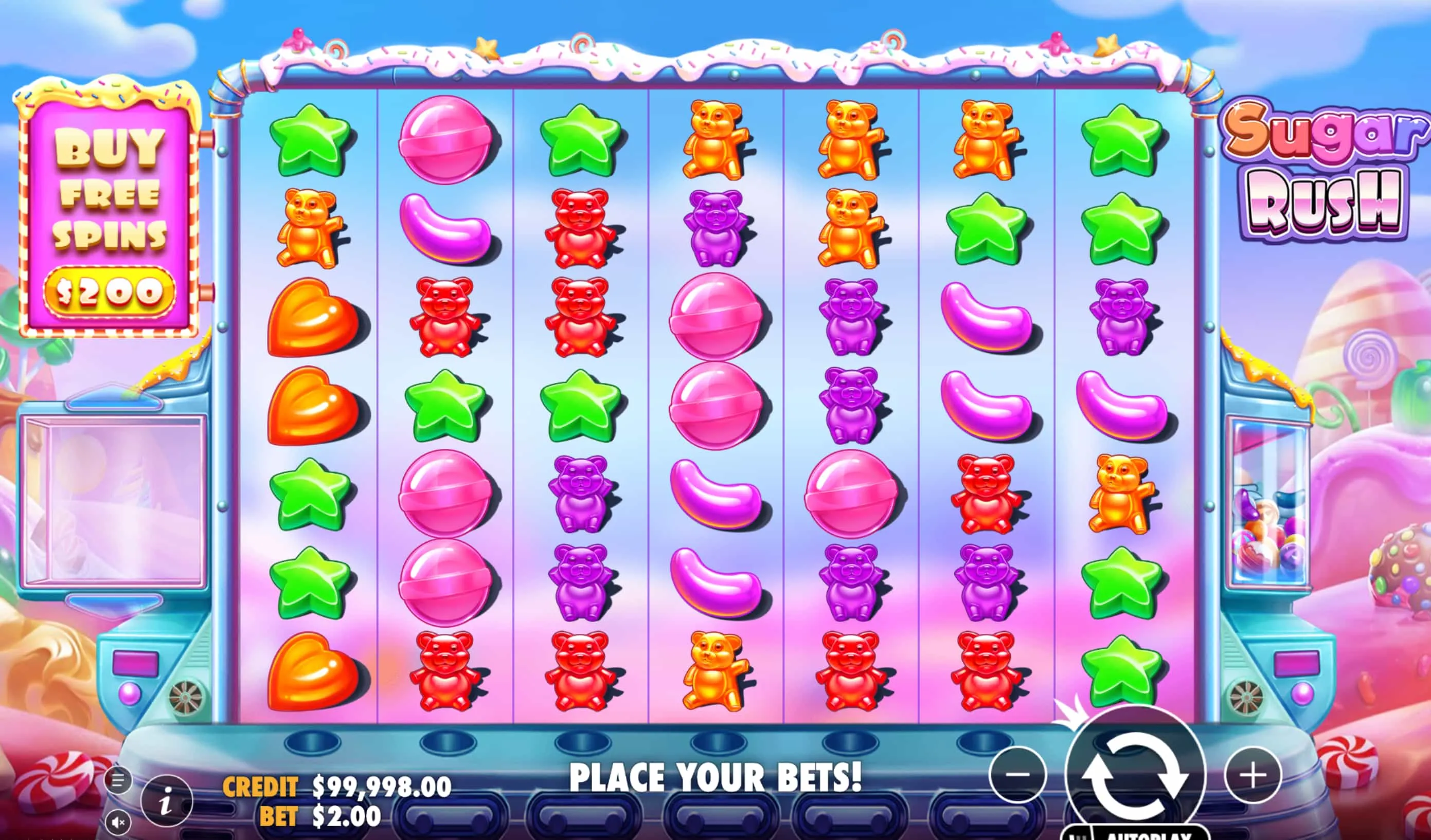
The Bonus Buy does not improve the statistical return of the Free Spins round. It eliminates the base-game trigger wait and — in the case of the Super Free Spins option — provides a structural head-start with pre-placed Multiplier Spots. The decision to purchase should be governed by one criterion: does the cost represent an acceptable fraction of the total session budget?
- Standard Buy (100×): Appropriate when the cost represents no more than 25–30% of the total session budget. At this ratio, a non-productive purchased round does not terminate the session prematurely.
- Super Buy (500×): Appropriate when total session budget is at minimum 3–4 times the purchase cost. At a CA$1.00 bet, Super Buy costs CA$500 — requiring a session budget of at least CA$1,500–2,000 before this option is financially sound.
- Default mode: Neither Bonus Buy tier should serve as the primary method of accessing the feature. Used sequentially, repeated purchases accelerate depletion faster than base-game variance without improving long-run return.
Free Spins Round Optimisation: What Players Can Influence
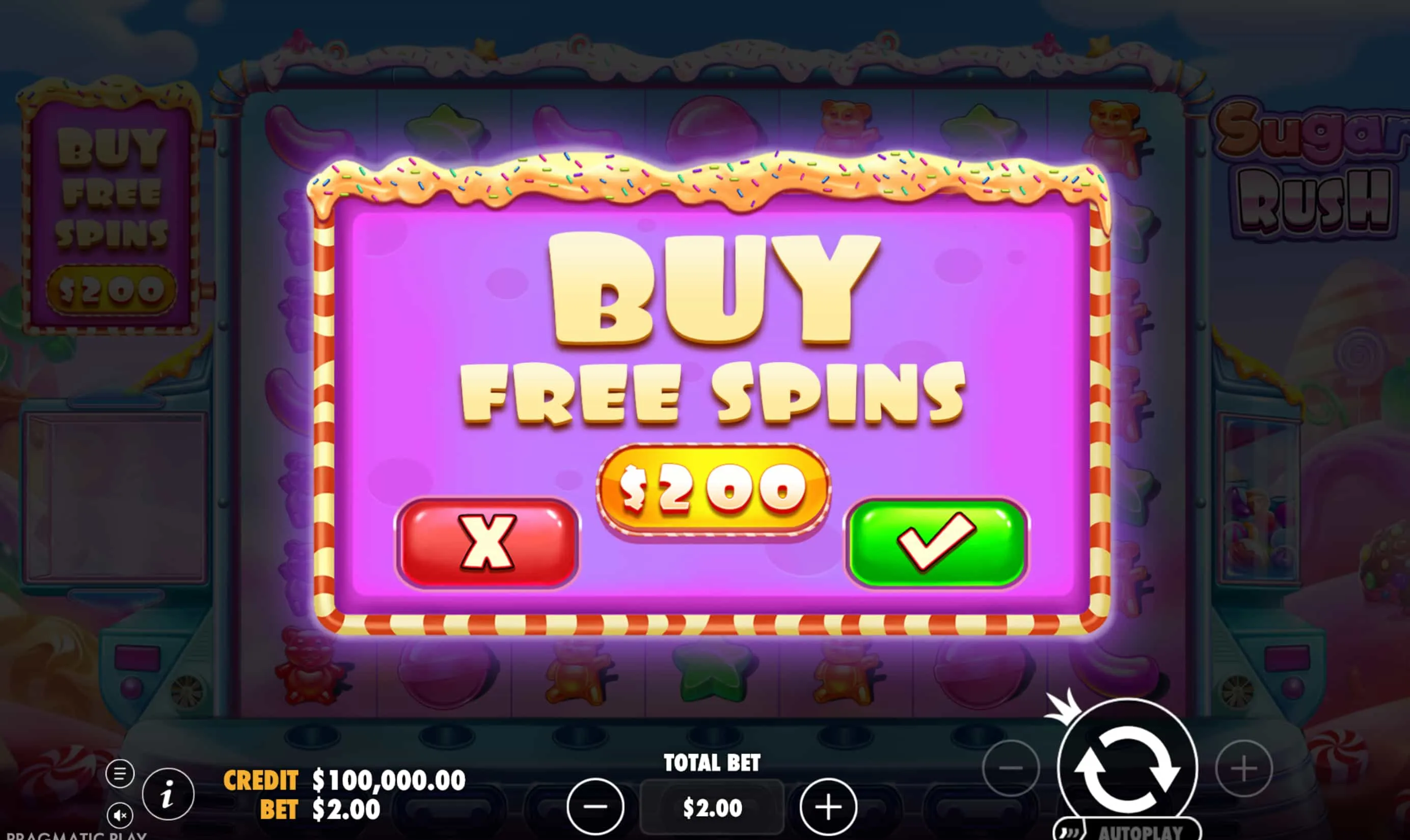
Once the Free Spins round begins — whether naturally triggered or purchased — the primary structural driver of outcome is the number of spins available. More spins provide more opportunity for Multiplier Spot accumulation, and the non-resetting nature of these multipliers during the feature means later spins in a longer round carry substantially higher expected value than earlier ones.
Players cannot influence the number of scatter symbols that trigger the feature. However, understanding the mathematical advantage of a 30-spin trigger (seven scatters) over a 10-spin trigger (three scatters) establishes appropriate expectation calibration. A 10-spin round with minimal scatter count is not a failed outcome — it is the game's minimum feature allocation performing as designed. Sessions built around this understanding are less vulnerable to reactive decision-making than those operating without it.
A retrigger — landing three or more scatters during an active Free Spins round — extends the round without resetting accumulated Multiplier Spot values. This is the highest-value single event accessible within the Free Spins structure, and it occurs by random outcome rather than player action.
Five Cognitive Errors That Undermine Sugar Rush 1000 Sessions
- Loss recovery escalation. Increasing bet size after a losing sequence to recover losses is the most financially damaging pattern in high-volatility play. It increases exposure precisely when variance is already running negative, accelerating the depletion of the session budget without any compensating improvement in probability.
- Volatility misclassification. Treating Sugar Rush 1000 as a moderate-variance game based on short-session observation produces systematic underestimation of required bankroll depth. The high volatility designation reflects extended win-free sequences that are structurally expected, not anomalous.
- Bonus Buy dependency. Using the Bonus Buy as the primary session strategy circumvents base-game mechanics and depletes capital at a rate that the feature's statistical return profile cannot consistently offset. Selective, budget-proportional use is appropriate; habitual use is not.
- Session over-extension. Extending sessions beyond pre-established time or loss limits — particularly during losing sequences — introduces psychological deterioration in decision quality. The game's remaining statistical potential does not improve with extended exposure beyond the planned session framework.
- Skipping demo evaluation. Playing for real money without prior demo experience on Sugar Rush 1000 increases the probability of misinterpreting mechanical events during live sessions. Familiarity with the Tumble sequence, Multiplier Spot behaviour, and Free Spins round dynamics reduces reactive decision-making during actual play.
Responsible Gambling Infrastructure: Canadian Resources
Sugar Rush 1000 is a high-volatility entertainment product. Canadian players experiencing any of the following should access support resources immediately: sessions extending beyond planned limits; bet size increases made under emotional pressure; gambling affecting financial obligations, relationships, or daily function.
- ConnexOntario: 1-888-230-3505 — free, confidential, 24 hours
- Responsible Gambling Council (RGC): rgco.org
- PlaySmart.ca: Ontario deposit limits, self-exclusion tools
- Gamblers Anonymous Canada: 1-855-222-5542
- CAMH (Centre for Addiction and Mental Health): camh.ca